Updated April 2026
Overview
If you run a growing business, you have probably hit a point where your systems stop keeping up. Spreadsheets multiply. Departments work from different data. Finance chases information from operations. Orders fall through the gaps between tools.
An ERP system solves that problem. This guide explains what an ERP system is, what it actually does day to day, and why businesses across the UK use one to bring their operations under control.
What Does ERP Stand For?
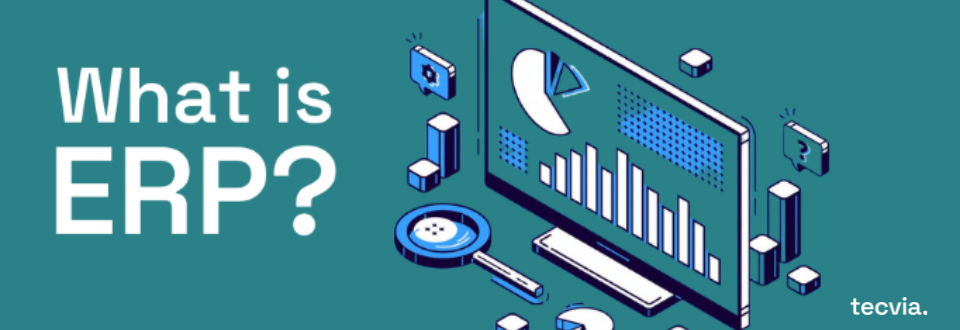
ERP stands for Enterprise Resource Planning. The name sounds technical, but the idea is straightforward.
An ERP system is a single platform that connects the core functions of your business. Finance, purchasing, stock, production, sales, and reporting all run in one place. Because they share the same data, your teams always work from the same information, and you spend far less time reconciling figures or chasing updates.
Most UK businesses that adopt an ERP system do so because they have outgrown a combination of separate tools. Accounting software in one place, stock management in another, order processing in a third. That setup works up to a point. After that, it creates more work than it saves.
How an ERP System Works
At the centre of any ERP system is a single database. Every transaction, every record, and every update writes to that database and becomes available to every part of the business immediately.
That might sound simple, but the practical effect is significant. When a sales order comes in, it updates stock automatically. When stock drops below a threshold, the system can trigger a purchase order. When the purchase order is fulfilled, finance sees the cost without anyone sending a spreadsheet.
Each step connects to the next. Because the data flows automatically, your team spends less time on manual updates and more time on work that actually adds value.
The Key Functions of an ERP System
Different ERP systems cover different ground, but most include the following core functions.
Finance and accounting. An ERP system gives your finance team a live view of the business. Invoices, payments, costs, and budgets all sit in one place. Month-end becomes faster because the data is already there, and your management accounts reflect what is actually happening in the business.
Purchasing and procurement. From raising a purchase order to receiving goods and matching invoices, an ERP system handles the full purchasing cycle. That reduces errors, speeds up approvals, and gives you better visibility over what you are spending and with whom.
Stock and inventory management. For businesses that hold stock, accurate inventory data is critical. An ERP system tracks stock levels, locations, and movements in real time. So you always know what you have, where it is, and when you need to reorder.
Production and manufacturing. Manufacturers use ERP to plan production, manage bills of materials, track work in progress, and monitor costs. That level of control makes it easier to hit delivery targets and keep margins where they should be.
Sales and order management. From quote to delivery, an ERP system tracks every stage of the order process. Your sales team can check stock availability, confirm lead times, and give customers accurate information without calling the warehouse.
Reporting and analytics. Because all your data sits in one system, reporting becomes straightforward. You can see performance across the business at any point, not just at month-end, and make decisions based on current information rather than last week’s export.
Why Automation Matters
One of the clearest benefits of an ERP system is automation. Routine tasks that your team currently handles manually, such as processing orders, updating stock, sending remittances, or generating reports, can run automatically in the background.
That reduces the risk of human error, which is significant when you are dealing with high volumes of transactions. It also frees your team to focus on higher-value work, because they spend less time on data entry and more time on the tasks that actually need their attention.
For growing businesses, automation is also how you scale. You can increase your order volumes, expand into new locations, or add new product lines without simply adding headcount to keep up.
The Business Case for an ERP System
The most common reason businesses invest in an ERP system is efficiency. But the financial case goes further than that.
When your data is accurate and your processes run cleanly, you make better decisions. You buy the right amount of stock. You price jobs correctly. You spot problems before they become expensive. Over time, that adds up.
Businesses that move from disconnected systems to a single ERP platform typically see improvements in order accuracy, stock levels, invoice turnaround times, and management visibility. Those are not abstract benefits. Each one has a direct impact on cost, cash flow, and client relationships.
There is also a compliance argument. Many industries, particularly food and beverage, life sciences, and manufacturing, operate under regulatory requirements that demand accurate records and clear audit trails. An ERP system makes meeting those requirements part of the normal workflow rather than a separate administrative exercise.
Is an ERP System Right for Your Business?
ERP systems work best for businesses that have reached a certain level of complexity. If you are managing multiple departments, dealing with significant stock volumes, running projects alongside service contracts, or operating across more than one site, then an ERP system will almost certainly pay for itself.
Smaller businesses sometimes assume ERP is only for large enterprises. That was true twenty years ago. Cloud-based platforms like Microsoft Dynamics 365 Business Central are now accessible to businesses of all sizes, with pricing and implementation models that suit growing UK companies rather than just large corporations.
The right time to consider an ERP system is usually when your current setup starts costing you time or money. When your team spends significant effort reconciling data, when errors are becoming regular, or when you cannot get a clear picture of your business without pulling information from five different places, those are the signals that it is time to look at something better.
Tecvia is a Microsoft Dynamics partner based in Manchester. We work with businesses across manufacturing, food and beverage, distribution, and life sciences to implement Business Central and get the most from it. If you want to talk through whether an ERP system is the right next step for your business, book a free consultation with our team.